Product Lifecycle Marketing in Today’s Age of AI and Automation
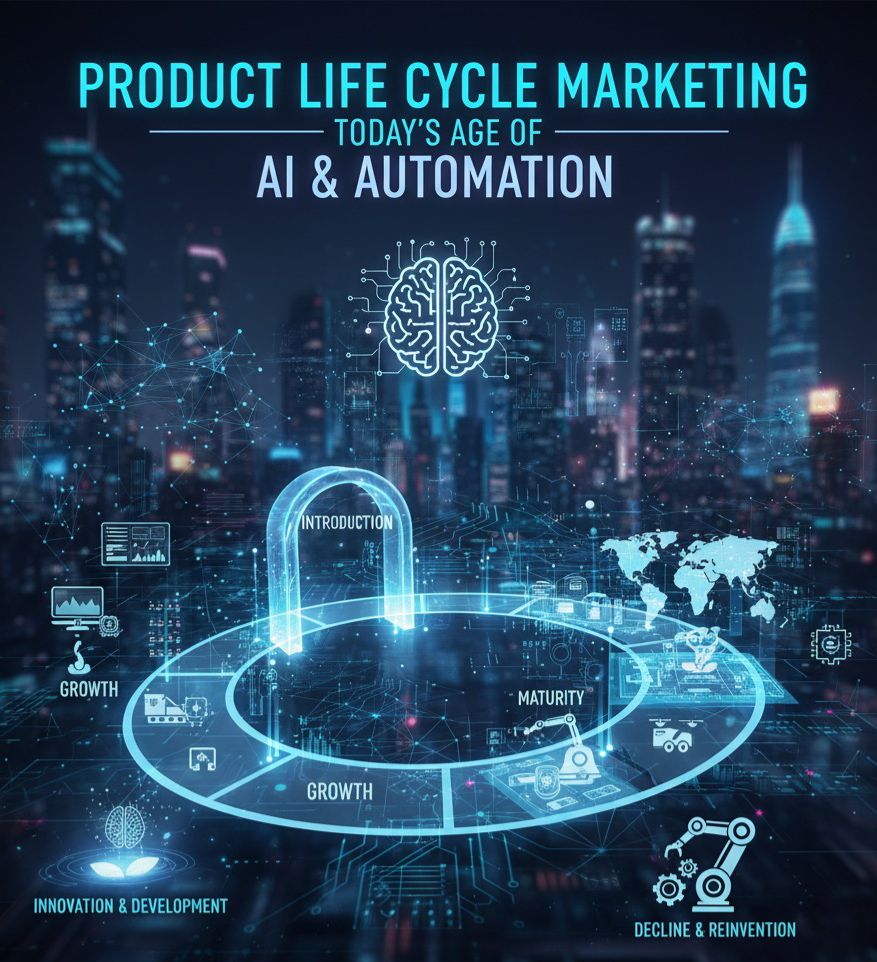
These days, launching a product isn’t the finish line it’s just the starting point. Having a great idea or a big launch isn’t enough anymore if you want your product to truly succeed. With AI and automation changing how businesses operate, the real spotlight now falls on product lifecycle marketing. People today aren’t just out there looking to buy something — they’re looking for meaning.
Products that truly make a difference in their daily lives and feel like a natural part of their lives are what they want. The real work then starts. These days, having a great product isn’t enough. You can’t just launch it and move on.
You’ve got to stand by it, help it grow, and make sure it still fits what people actually need. Your product should change the way your customers do, adjusting to their lives, their habits, and what matters to them right now.
When people feel that, when they see that you actually get them, it hits different. They start trusting you. People don’t keep coming back just for what you sell; they come back because they feel something real behind it. They see what you stand for, and they trust it. That’s where genuine connections begin.
Stage 1: Awareness – How to Actually Get Noticed
Your product might be great, but honestly, that doesn’t mean much if no one knows it’s there. The first thing you’ve got to do is get people to notice you. Pay attention to where your audience actually spends their time and what really matters to them. That’s how you start getting on their radar and staying there.
Then show up there not with generic messages, but in a way that feels real, like you actually understand them. Timing matters too; showing the right message at the right moment can make all the difference. This is what makes the awareness stage in product lifecycle marketing work in the real world. It’s not about fancy tools; it’s about connecting with real people in ways that actually matter to them.
Stage 2: Consideration – When curiosity turns into real interest
Once people know about your product, your job is to show them why it matters. This is when you start to really get them – what they like, what makes them stop and think, and what keeps them from saying yes. Tools can tell you a bit, sure, but real connection doesn’t come from data. It comes from actually caring, from listening, and from showing up like a real person.
It comes from people talking to people. So just talk to them honestly, naturally, like you mean it. Listen. Be real. Share things that actually help, not just sell. That’s what makes people trust you. That’s what builds trust and moves them closer to saying yes. Do this right, and your product lifecycle marketing isn’t just about making sales; it’s about connecting with people and building real trust. Talk to them, answer their questions, and share things that actually help, not some generic message. Do this right, and your product lifecycle marketing isn’t about pushing a sale; it’s about connecting with real people.
Stage 3: Purchase and Adoption – Guiding Your Customers Through Product Lifecycle Marketing
Getting someone to move from interest to actually buying can be tricky. Just telling someone to click “buy” isn’t enough. You’ve got to really be there for your customers. Keep it simple, you know? Just make things easy to follow and help people get what they need without making it a whole struggle.
Show them you actually care. Reminders and tutorials are fine, but what really matters is the real effort you put in; that’s what makes people feel seen and valued. When people feel supported and comfortable, they naturally want to stay with your product. That’s where product lifecycle marketing really does its job, turning curiosity into loyalty.
Stage 4: Retention and Loyalty – Keeping Customers Around Through Product Lifecycle Marketing

Getting a customer is a win, but keeping them is what really counts. Retention doesn’t always get the spotlight, yet it’s the foundation of lasting growth and a strong, trusted brand. Pay attention to your customers’ patterns: what keeps them engaged and what might make them leave. Then, act on it. Send helpful tips, personalised offers, or just check in with them in ways that feel natural.
AI and automation can help track these things, but the real magic happens when you genuinely care. Strong product lifecycle marketing here isn’t about pushing products; it’s about building relationships.
Stage 5: Adapting as You Go
The market… it’s always moving. What worked yesterday? Maybe it won’t work tomorrow. People want different things all the time. Trends come, trends go. Your product can’t just sit there. You try stuff. Some work, some don’t. You learn. You change. You pay attention. Keep going. Little by little, that’s how it keeps alive; that’s how it matters. It never really ends; that’s just how you keep your product alive and useful.
Why AI and Automation Are

AI and automation… they’re not here to replace anyone. They’re just tools to make things a bit easier, a bit smarter. They help you notice what really matters to your customers, what grabs their attention, what keeps them coming back.
It’s not about letting machines do the work for you; it’s about understanding people. And when you spot something, you can jump on it. You don’t miss a chance to connect or make someone’s day a bit better. Put it together with product lifecycle marketing, and it all feels more personal, more human. But in the end, it’s not about the tools; it’s about how you use them to actually care for your audience and build real connections.
Conclusion
When it comes to product lifecycle marketing, it’s really about people — not just selling something. It’s about noticing what matters to them, the problems they’re trying to figure out, and how their needs shift over time. Building real connections matters more than just running campaigns.
Every step, from first discovery to daily use, is a chance to make a difference. When you blend human understanding with AI and automation, product lifecycle marketing becomes more powerful — your brand keeps learning, improving, and building trust. People don’t remember what you sell, but how you made them feel — seen, understood, and cared for.